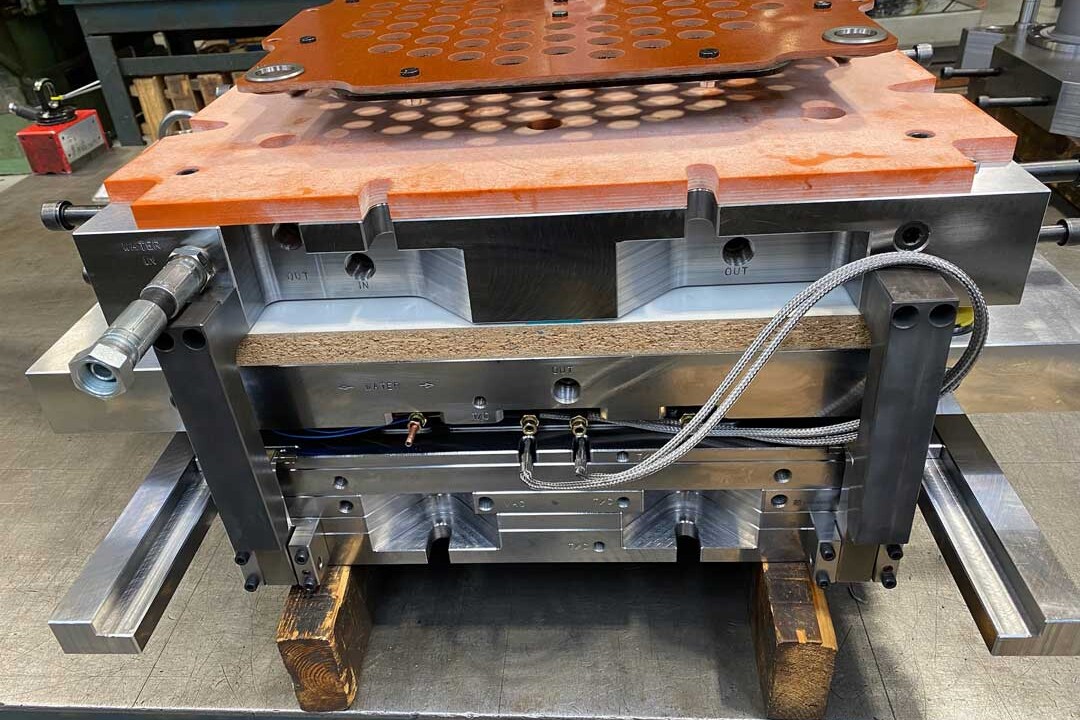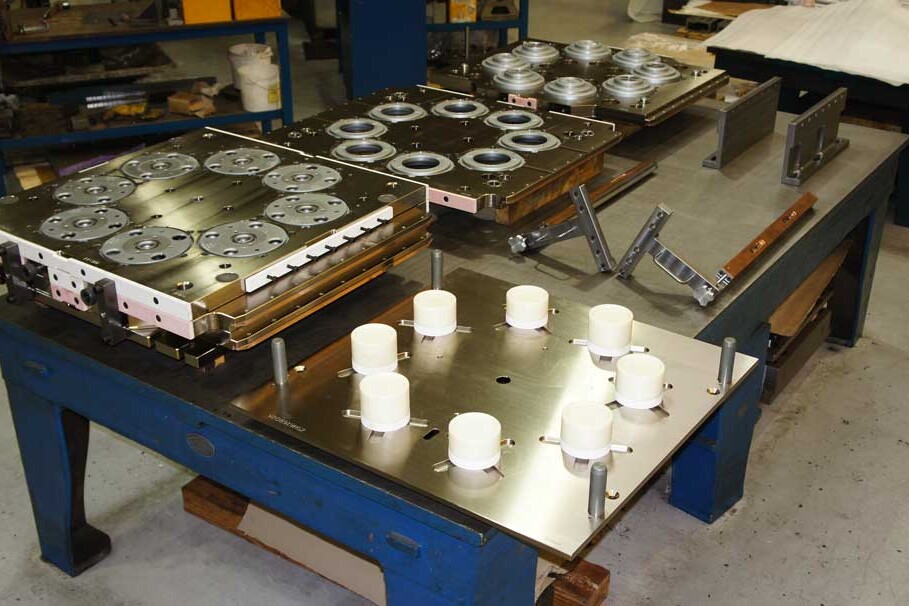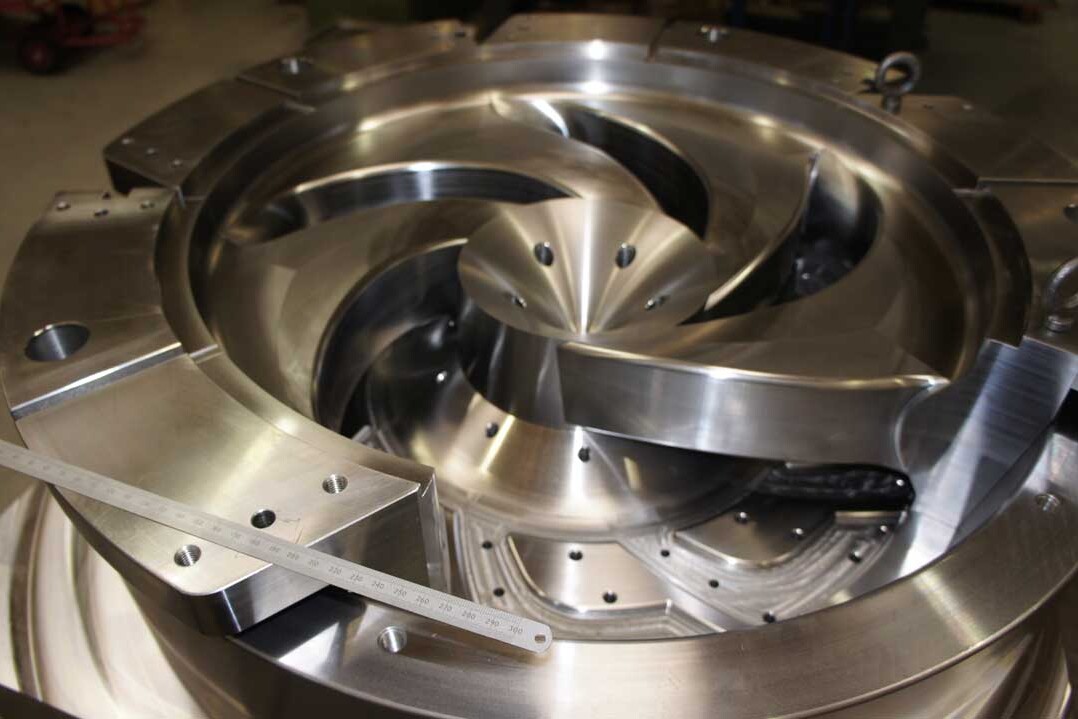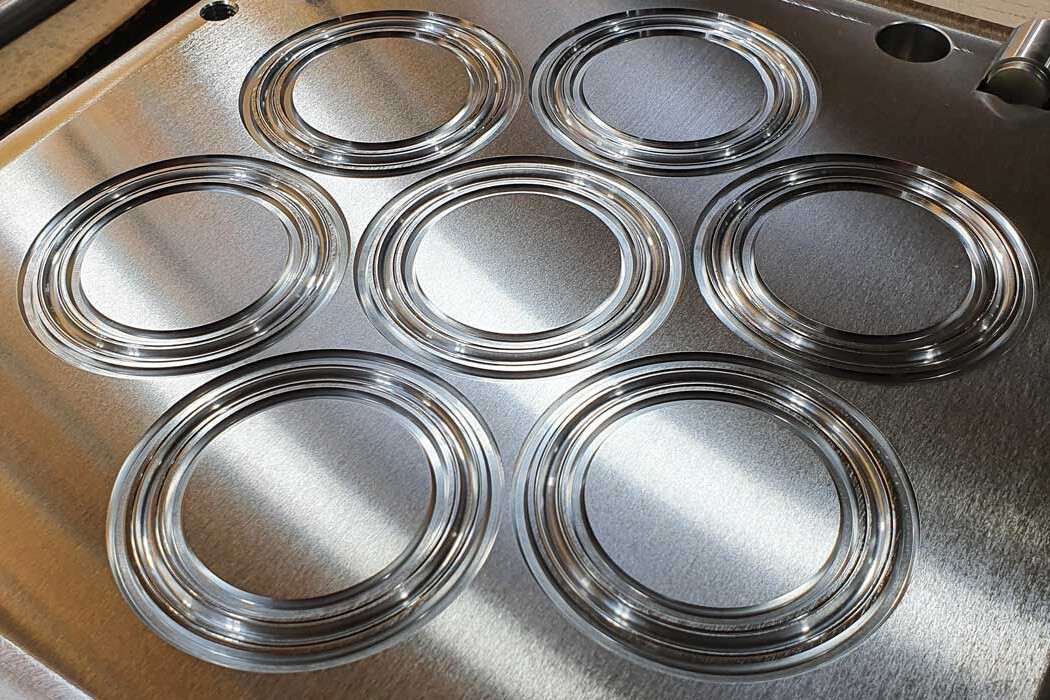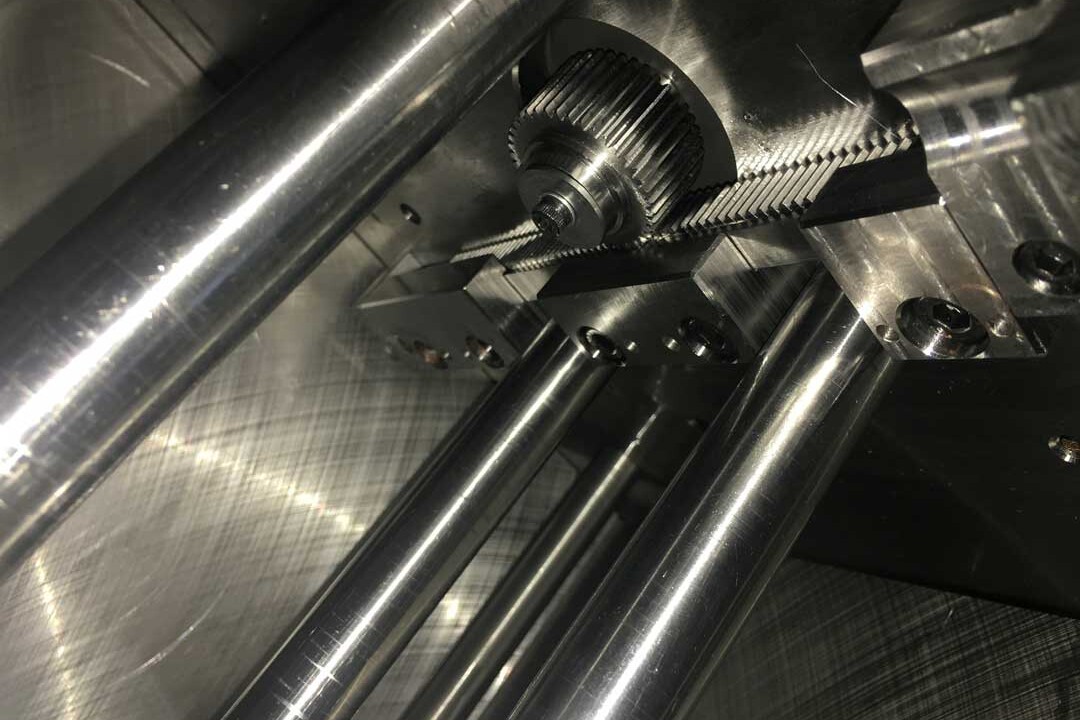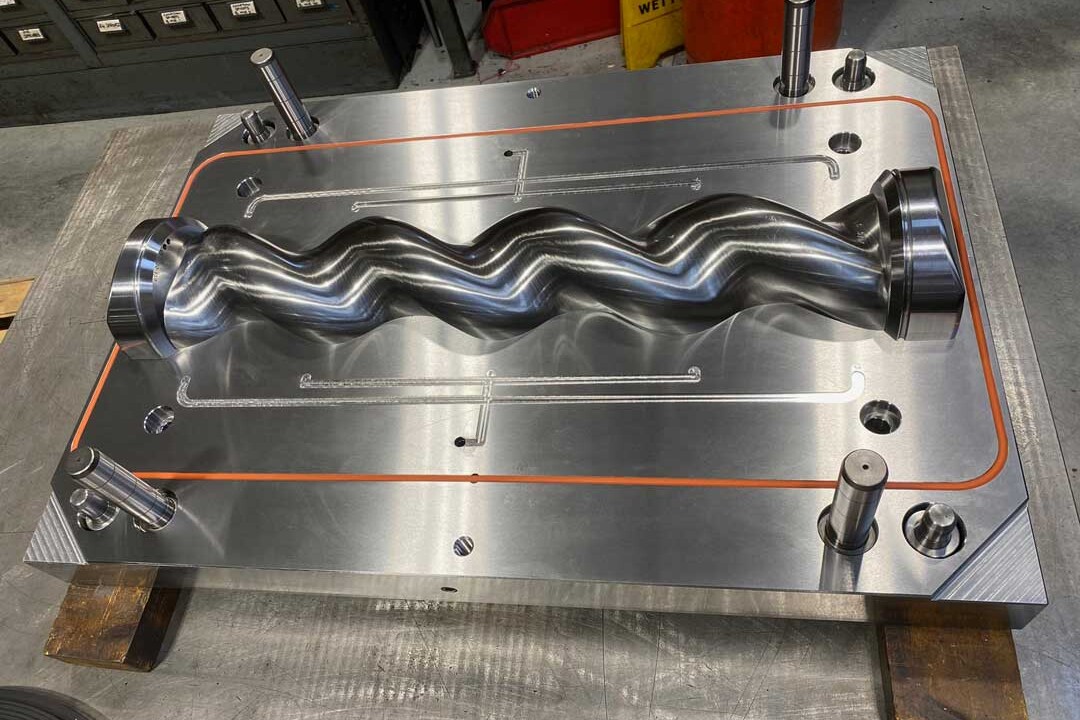


Repairs and refurbishment services restore existing tooling supplied by Burnsall Engineering back to full working condition, extending service life and maintaining production performance. Following a detailed inspection and assessment, we repair or recondition worn or damaged tools to restore accuracy and reliability. From correcting wear and alignment issues to updating ancillary equipment, this service provides a cost-effective way to maximise your tooling investment while reducing production disruption.
Refurbishment begins with a full inspection of the tooling to assess wear, damage and performance issues. We then repair, regrind, replace or upgrade components as required to restore the tool to its intended operating condition, maintaining the precision and repeatability needed for demanding production environments.
This service is ideal for customers who need:
- Refurbishment of ageing or legacy tooling
- Performance improvements to existing tools
- Flash reduction and shut-off regrinding
- Alignment correction and wear restoration
- Updated ancillaries or load boards for current production requirements
- Extended tooling life without full replacement
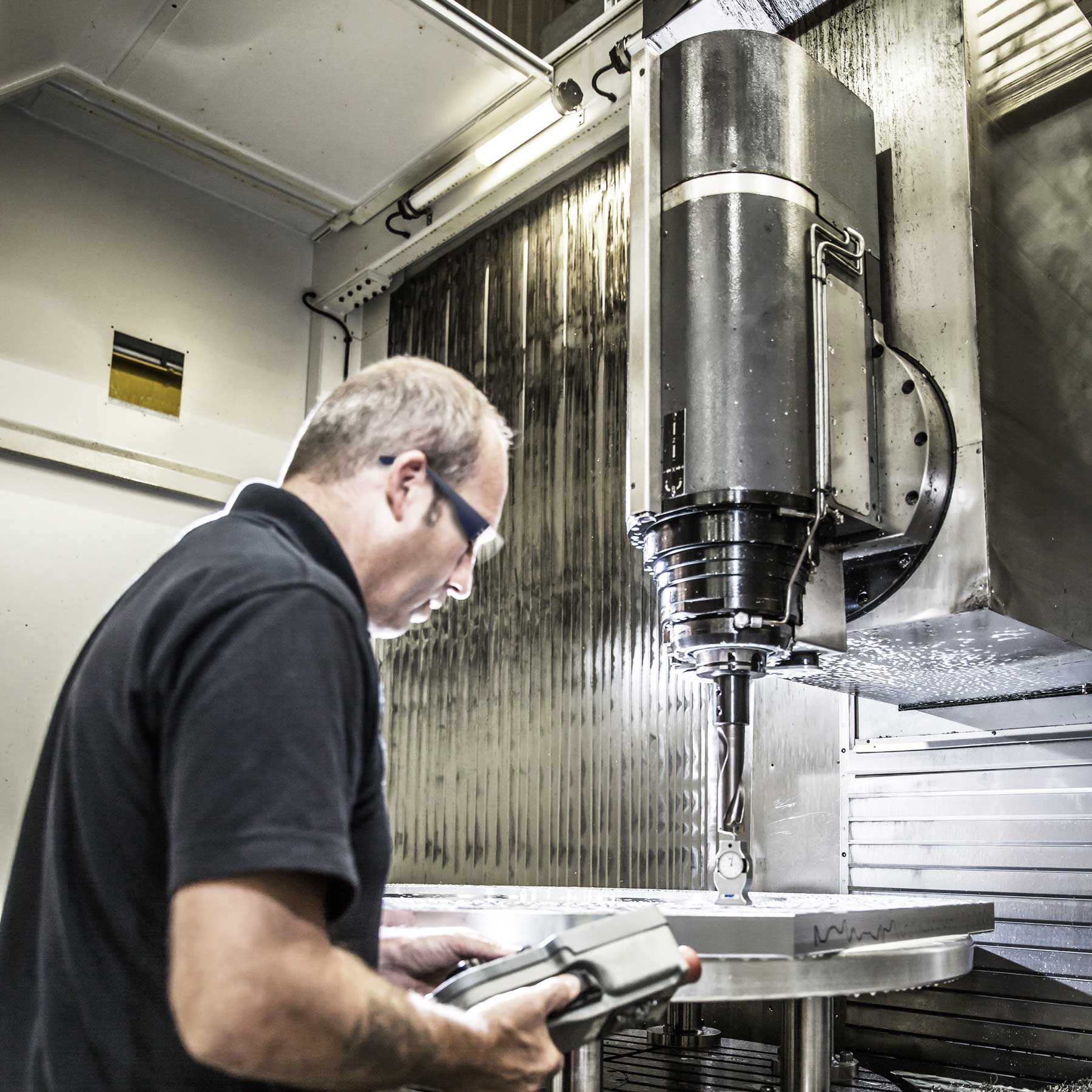

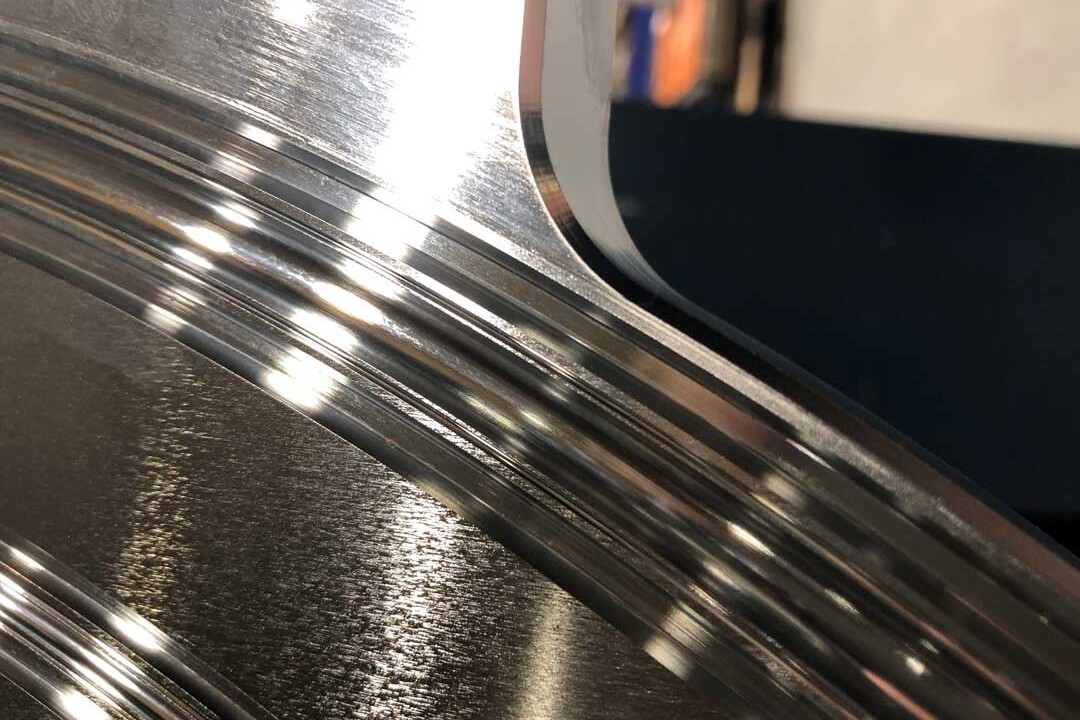
At Burnsall Engineering, our repair and refurbishment capability combines experienced toolmakers, skilled precision grinders, and a deep knowledge of rubber moulding systems. We work to micron-level tolerances and understand the critical shut-off requirements that define mould performance.
Our expertise spans complex tooling systems including flashless and cold-pot transfer applications, allowing us to restore tools to the same exacting standards expected of new builds. As specialist tooling capability continues to decline across the UK, our experience remains a valuable resource for moulders seeking dependable long-term tooling support.
Reverse engineering provides a route to reproduce or recover tooling when original design information is unavailable, incomplete or outdated. Through detailed inspection and precision measurement, we can digitally recreate existing tools and manufacture them to modern standards. Whether replacing ageing equipment or reproducing unsupported tooling, reverse engineering helps to maintain continuity in production while preserving critical dimensions and functionality.
The reverse engineering process begins with inspection and measurement of the existing tool using precision metrology techniques. We capture geometry, tolerances and key design features before translating them into modern manufacturing data. We then use this information to reproduce, repair or improve the tool to suit your current production requirements.
This service is ideal for customers who need:
- Replacement tooling where no CAD data exists
- Reproduction of obsolete or unsupported tools
- Recovery of incomplete or outdated tooling information
- Performance improvements to legacy designs
- Modern manufacturing data for existing tooling
- Continuity of production without redesigning components
At Burnsall Engineering, we combine advanced metrology, precision machining and specialist tooling knowledge to accurately recreate and improve existing mould tools. Our experience with complex rubber tooling and high-precision manufacturing allows us to capture fine details and critical tolerances that directly affect performance.
Supported by skilled toolmakers and seven decades of process understanding, we deliver reverse-engineered tooling that performs to the same standards as a new-build solution, ensuring long-term reliability.

Why choose Burnsall?
- 70 years of toolmaking experience
- Fully insured and BS EN ISO 9001 accredited
- In-house team of expert designers and engineers
- State-of-the art modelling and programming applications
- Established relationships with approved contractors
- High quality and competitive lead times
- Awarded the only preferred supply status to a facility in Europe by DuPont Performance Elastomers